The Science Behind Process Temperature Regulation and Accuracy
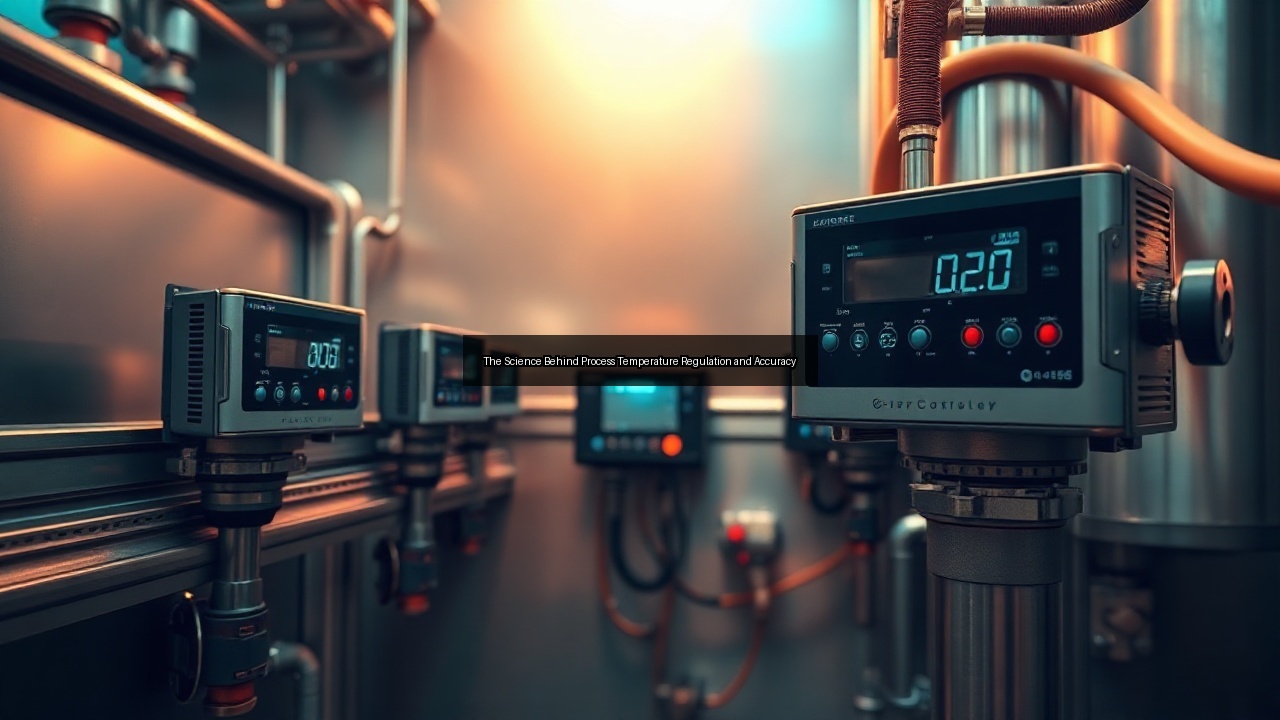
Understanding Process Temperature Control
What is Process Temperature Regulation?
Process temperature regulation involves maintaining a specific temperature within an PID controller options industrial system. This control is crucial across various applications, from chemical processing to food production. A precise process temperature controller ensures that products meet quality standards while maximizing efficiency. Various methods and technologies exist for regulating temperature, enabling industries to adapt to different requirements. Understanding the nuances of temperature regulation helps manufacturers achieve their production goals while minimizing waste and energy consumption. This knowledge empowers businesses to implement better strategies for managing their processes, ensuring consistency and reliability.
The Importance of Accuracy in Temperature Control
Accuracy in temperature control directly affects product quality and operational efficiency. Deviations from the desired temperature can lead to defects, spoilage, or even equipment damage. In industries such as pharmaceuticals, where precise temperature ranges are vital, inaccuracies can compromise product integrity. Moreover, accurate temperature regulation can enhance energy savings by minimizing excess heating or cooling. Businesses that prioritize precision in their process temperature control systems can significantly reduce costs and improve overall performance. Implementing advanced controllers, such as PID controllers, allows for better adjustments and monitoring, ensuring compliance with industry standards.
Key Components of a Temperature Control System
A well-designed temperature control system consists of several key components. First, the temperature measurement device, typically a thermocouple or an infrared sensor, captures real-time temperature data. This information is crucial for determining how to adjust heating or cooling elements. Next, the process temperature controller processes this data, comparing actual measurements against the desired set values. Outputs from the controller can drive various devices, such as heaters or chillers, that maintain the optimal temperature. Additionally, communication protocols like RS-485 and Modbus facilitate data transfer between components, enhancing system integration. Together, these components form a cohesive system that ensures effective temperature regulation.
Types of Temperature Controllers
PID Controllers: The Heart of Temperature Control
PID controllers stand at the forefront of temperature regulation technology. The acronym PID stands for Proportional, Integral, and Derivative, representing the three control actions that these devices employ. By continuously calculating the difference between the desired set point and the actual temperature, PID controllers adjust the output to minimize this error. This method achieves stable temperature regulation with minimal overshoot or oscillation. Industries widely use PID controllers due to their reliability and efficiency in maintaining precise temperature conditions. Options for PID controllers vary, including panel-mount and DIN-rail configurations, catering to different installation needs and preferences.
Panel-Mount vs. DIN-Rail Controllers
When selecting a process temperature controller, organizations often debate between panel-mount and DIN-rail controllers. Panel-mount controllers typically feature a user-friendly interface and are designed for installation on control panels. They provide easy visibility and access, making adjustments straightforward. In contrast, DIN-rail controllers offer a more compact solution, ideal for environments with limited space. These controllers snap into standard DIN rails, allowing for organized and efficient wiring. Both types of temperature controllers come equipped with various features, such as configurable inputs and outputs, enhancing their versatility. Understanding the specific needs of an application will guide users in making the right choice.
Surface-Mount Options for Flexibility
Surface-mount temperature controllers present a flexible solution for diverse industrial applications. These devices can be installed directly onto machinery or equipment, providing real-time temperature monitoring without the need for extensive modifications. Surface-mount industrial temperature controls options are particularly beneficial in scenarios where space is limited or when quick installation is required. Many surface-mount controllers come equipped with advanced features, including programmable settings and communication capabilities, such as Modbus. This flexibility allows for seamless integration within existing systems. Additionally, manufacturers can select surface-mount controllers based on specific requirements, ensuring they meet the demands of their unique processes.
Measurement and Calibration Techniques
Temperature Measurement Tools: Thermocouples and Infrared Sensors
Accurate temperature measurement is the cornerstone of effective temperature control. Two common tools for this purpose are thermocouples and infrared sensors. Thermocouples consist of two different metal wires joined at a junction, generating process controls a voltage proportional to the temperature difference. This technology offers rapid response times and wide temperature ranges, making it suitable for various applications. Infrared sensors, on the other hand, measure temperature from a distance by detecting emitted infrared radiation. These sensors are non-contact, providing fast measurements without disturbing the process. Both tools have unique advantages, and choosing the right one depends on the specific requirements of the application.
Calibration Methods for Accurate Readings
Calibration is essential for ensuring the accuracy of temperature measurement tools. Regular calibration helps maintain the reliability of sensors and controllers, allowing for precise temperature regulation. Different calibration methods exist, including comparison to a known standard, ice point calibration, and adjustment using calibration baths. Implementing a consistent calibration schedule mitigates drift in measurements over time, ensuring that process temperature controllers operate effectively. Organizations can enhance their calibration processes by utilizing automated calibration equipment that leverages RS-485 communication for real-time data transfer. This integration ensures seamless interactions between measurement devices and control systems, optimizing overall temperature regulation.
Integrating RS-485 and Modbus for Enhanced Communication
Communication plays a vital role in effective temperature control systems. Integrating RS-485 and Modbus protocols enhances the communication capabilities of temperature controllers. RS-485 allows for long-distance data transmission, making it ideal for industrial environments where devices may be spread out over large areas. Meanwhile, Modbus facilitates communication between devices, standardizing the data exchange process. This integration simplifies system monitoring, enabling users to access real-time data and make informed decisions regarding temperature regulation. By employing these communication protocols, organizations can achieve greater automation and efficiency in their temperature control processes.
Optimizing Process Temperature for Industrial Applications
Automation in Temperature Control
Automation in temperature control systems revolutionizes how industries manage their processes. Automated temperature controllers eliminate manual adjustments, allowing for continuous monitoring and real-time responses to temperature fluctuations. This level of automation enhances precision, ensuring that processes consistently operate within desired temperature ranges. Furthermore, advanced systems can incorporate predictive algorithms, analyzing historical data to anticipate temperature changes and automatically adjust settings accordingly. This proactive approach minimizes energy consumption while maximizing product quality. Industries that embrace automation in their temperature control strategies can expect improved operational efficiency and reduced costs over time.
Choosing the Right Controller for Your Needs
Selecting the appropriate process temperature controller involves understanding specific application requirements. Factors to consider include the type of process, the range of temperatures, and the necessary mounting style. Organizations must evaluate whether a PID controller, panel-mount, DIN-rail, or surface-mount option best suits their needs. Additionally, consider features such as configurable inputs and outputs, communication capabilities, and precision specifications. A thorough assessment of these factors enables businesses to choose a controller that enhances their processes, ensuring optimal temperature regulation and improved productivity.
Evaluating Precision and Accuracy in Temperature Regulation
Precision and accuracy are paramount in temperature regulation, particularly in industries where even slight deviations can have significant consequences. Evaluating the precision of a process temperature controller involves examining its ability to maintain consistent temperatures over time. Accuracy refers to how closely the measured temperature aligns with the actual value. Organizations should prioritize controllers that offer both high precision and accuracy to ensure optimal performance. Regular calibration and maintenance of measurement tools also play an essential role in sustaining these standards. Investing in top-notch temperature control technology yields long-term benefits, including enhanced product quality, reduced waste, and improved operational efficiency.
See Also
- Innovative Surface-Mount Control Options for Space-Saving Solutions
- A Guide to Panel-Mount Controllers for Efficient Temperature Management
- How to Compare Measured Temperature with Desired Set Values
- Exploring the Benefits of RS-485 Communication in Temperature Controls
- Exploring 16 and 32 DIN Options for Versatile Temperature Control