Unlocking the Future of Electronics with Innovative Injection Molding Techniques
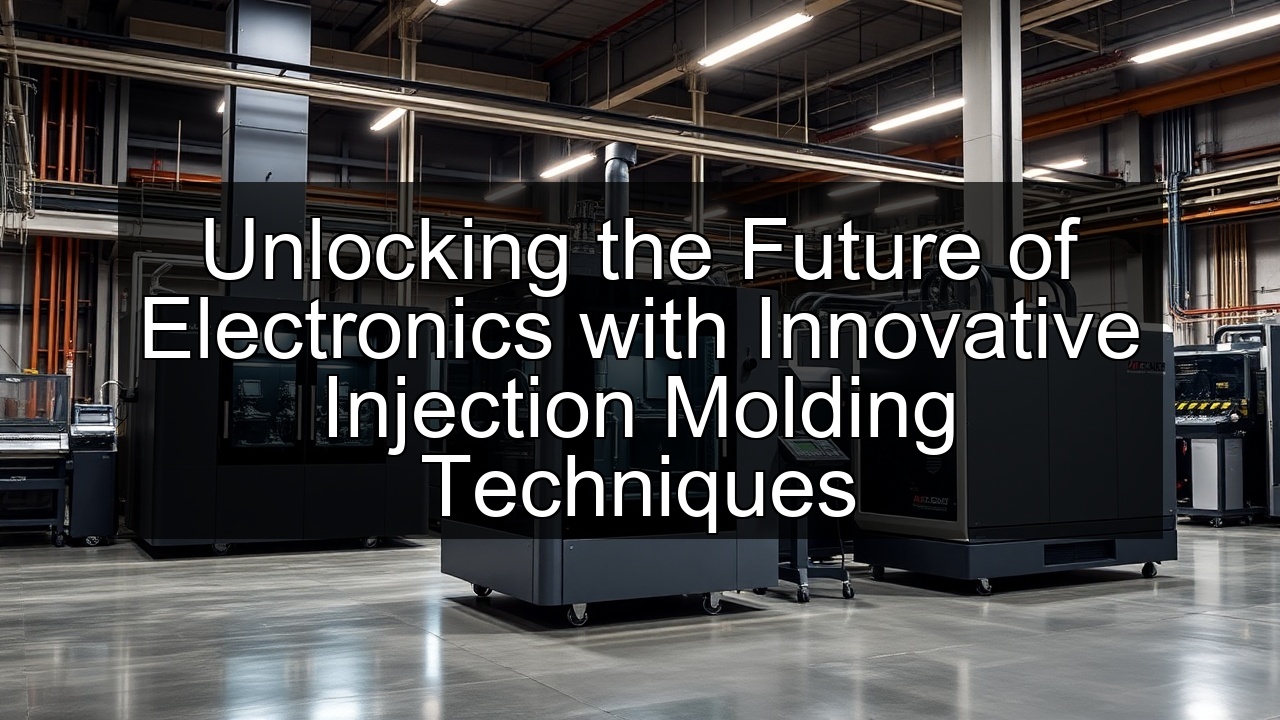
The Evolution of Electronics Housing: Injection Molding Techniques
Historical Overview of Electronics Housing
Electronics housing has undergone significant transformation since the inception of electronic devices. In the early days, manufacturers relied heavily on metal casings to provide the necessary protection and shielding against electromagnetic interference. However, as technology progressed, the need for lighter, more versatile materials became apparent. The shift towards plastics marked a monumental change in the industry. This transition not only reduced costs but also allowed for greater design flexibility. Injection molding emerged as the preferred manufacturing method, enabling producers to create complex shapes and designs that were once impractical with traditional metal casing. Over the decades, this evolution has paved the way for innovative housing solutions that cater to the diverse needs of modern electronic devices.
Advancements in Injection Molding Technology
Injection molding technology has advanced remarkably, transforming the landscape of electronics housing manufacturing. The introduction of automated processes has streamlined production, reducing lead times and enhancing quality control. Manufacturers now utilize advanced computer-aided design (CAD) software to optimize mold designs, ensuring precision and consistency in every injection-molded part. Moreover, the integration of smart sensors in molding machines allows for real-time monitoring, minimizing defects and waste. These advancements have not only improved efficiency but also facilitated the development of intricate designs that enhance both aesthetics and functionality in electronics housing. As the industry continues to evolve, innovations in injection molding techniques promise to unlock new potentials for electronic device manufacturers.
Key Materials Used in Electronics Housing
The choice of materials plays a crucial role in the effectiveness of electronics housing. High-density polyethylene (HDPE) stands out as one of the most popular options due to its excellent chemical resistance and durability. HDPE is lightweight yet robust, making it ideal for various electronic applications. Nylon, another versatile material, offers superior strength and flexibility, catering to devices requiring intricate designs or specific performance characteristics. Other materials like polycarbonate and ABS plastic are also commonly used, each bringing unique benefits to the table. The continuous exploration of new plastics and composites ensures that manufacturers can meet the diverse demands of electronics housing, providing solutions that prioritize performance and sustainability.
Innovative Injection Molding Techniques for Electronics
High-Density Polyethylene (HDPE) in Electronics Housing
High-density polyethylene (HDPE) has revolutionized the manufacturing of electronics housing. Its unique properties make it an ideal candidate for producing robust and lightweight casings. HDPE exhibits excellent resistance to impact, chemicals, and moisture, ensuring that electronic devices remain protected in various environments. Furthermore, the injection molding process for HDPE allows for intricate designs, enabling manufacturers to create complex geometries that can accommodate various electronic components. The material's recyclability aligns with the growing demand for sustainable practices in manufacturing, making HDPE not only a practical choice but also an environmentally friendly option. As more manufacturers recognize the advantages of HDPE, its role in electronics housing continues to expand, driving innovation in product design and functionality.
Nylon: A Versatile Option for Electronics Casings
Nylon has emerged as a versatile option in the realm of electronics casings, thanks to its unique combination of strength and flexibility. This thermoplastic material withstands extreme temperatures and mechanical stress, making electronics housing injection it suitable for demanding electronic applications. The injection molding process allows for precise shaping of nylon components, enabling manufacturers to create lightweight yet robust housings that meet the specifications of various electronic devices. Additionally, nylon's inherent resistance to wear and tear enhances the longevity of products, ensuring that they perform reliably over time. As the electronics industry continues to evolve, nylon remains a staple material in the injection molding process, providing innovative solutions that drive performance and durability.
Sustainability in Injection Molding Practices
Sustainability has become a pivotal focus in manufacturing, especially within the injection molding sector for electronics housing. Manufacturers are increasingly adopting eco-friendly practices, such as using recycled plastics and optimizing energy consumption during production. Advances in technology allow for the efficient use of resources, reducing waste and minimizing the environmental footprint of injection molding processes. By integrating sustainable materials and practices, companies not only contribute to environmental conservation but also appeal to a growing market of eco-conscious consumers. As sustainability becomes a core principle in manufacturing, the injection molding of electronics housing evolves to prioritize both performance and environmental responsibility.
Applications and Benefits of Injection Molded Electronics Housing
Design Flexibility and Customization
Injection molding offers unmatched design flexibility, making it a preferred choice for electronics housing. Manufacturers can create intricate designs that fit the specific needs of electronic devices, whether for consumer electronics, industrial applications, or medical devices. The ability to produce customized molds enables engineers to innovate and adapt products to meet changing market demands. This customization extends to colors, textures, and finishes, allowing brands to differentiate their products in a competitive landscape. Moreover, rapid prototyping capabilities in injection molding enhance the development process, enabling quicker iterations and adjustments. This agility in design not only fosters creativity but also accelerates time-to-market for new electronic devices.
Cost Efficiency in Manufacturing
Cost efficiency stands as a significant advantage of injection molding in electronics housing manufacturing. The process allows for high-volume production, significantly reducing the per-unit cost compared to traditional manufacturing methods. Once a mold is created, it can be used to produce thousands of identical parts with minimal additional expense. This efficiency is particularly beneficial for large-scale production runs, where the initial investment in mold creation pays off quickly. Furthermore, advancements in technology have optimized the injection molding process, reducing cycle times and increasing overall productivity. By minimizing material waste and maximizing output, manufacturers can achieve substantial cost savings, making injection molding a financially viable option for electronics housing.
Enhanced Durability and Performance
Injection-molded electronics housing provides enhanced durability and performance, crucial for the longevity of electronic devices. The controlled manufacturing process results in consistent quality, producing housings that can withstand environmental challenges such as temperature fluctuations, humidity, and physical stress. The precision offered by injection molding ensures that components fit together seamlessly, preventing issues that might arise from misalignments or poor seals. Additionally, the choice of advanced materials, such as HDPE and nylon, contributes to the overall strength and resilience of the housing. These factors come together to create electronic devices that not only perform reliably but also stand the test of time, satisfying consumer expectations for durability and quality.
Future Trends in Electronics Housing Injection Molding
Emerging Technologies in Injection Molding
The future of injection molding for electronics housing looks promising, with emerging technologies set to reshape the landscape. Innovations such as smart molding processes, which incorporate artificial intelligence and machine learning, are enhancing the efficiency and accuracy of production. These technologies enable predictive maintenance, optimizing machinery performance and reducing downtime. Additionally, advancements in material science are leading to the development of new plastics and composites that offer superior performance characteristics. Manufacturers are also exploring bio-based electronics casing injection molding and biodegradable materials, aligning with sustainability goals. As these technologies continue to evolve, they will unlock new possibilities for electronics housing, driving innovation and competitiveness in the market.
The Role of 3D Printing and Hybrid Techniques
3D printing is making inroads into the injection molding arena, offering complementary capabilities that enhance manufacturing processes. Hybrid techniques, which combine traditional injection molding with 3D printing, provide flexibility in prototyping and production. Manufacturers can quickly create prototypes to test designs before committing to large-scale injection molds. This approach not only accelerates the development timeline but also allows for greater experimentation with design concepts. As 3D printing technology advances, its integration into the injection molding process will likely lead to more efficient and innovative solutions for electronics housing, catering to the needs of a rapidly evolving market.
Market Insights: The Growing Demand for Electronics Housing Solutions
The demand for innovative electronics housing solutions continues to rise, driven by the proliferation of electronic devices in everyday life. With the increasing complexity of technology, manufacturers seek advanced injection molding techniques to meet the diverse needs of consumers. Industries such as automotive, healthcare, and consumer electronics are particularly influential in shaping market trends. The growing emphasis on sustainability also influences purchasing decisions, prompting manufacturers to adopt eco-friendly practices in their production processes. Market insights indicate that the future of injection molded electronics housing will be characterized by customization, efficiency, and sustainability, positioning manufacturers to meet the challenges of a dynamic technological landscape.
See Also
- Key Considerations for Designing Injection Molded Electronics Casings
- The Benefits of Using HDPE in Electronics Housing Design
- Revolutionizing Electronic Device Protection through Injection Molded Housings
- How Injection Molding is Shaping the Future of Electronic Devices
- Customizing Electronics Housings through Innovative Injection Molding